

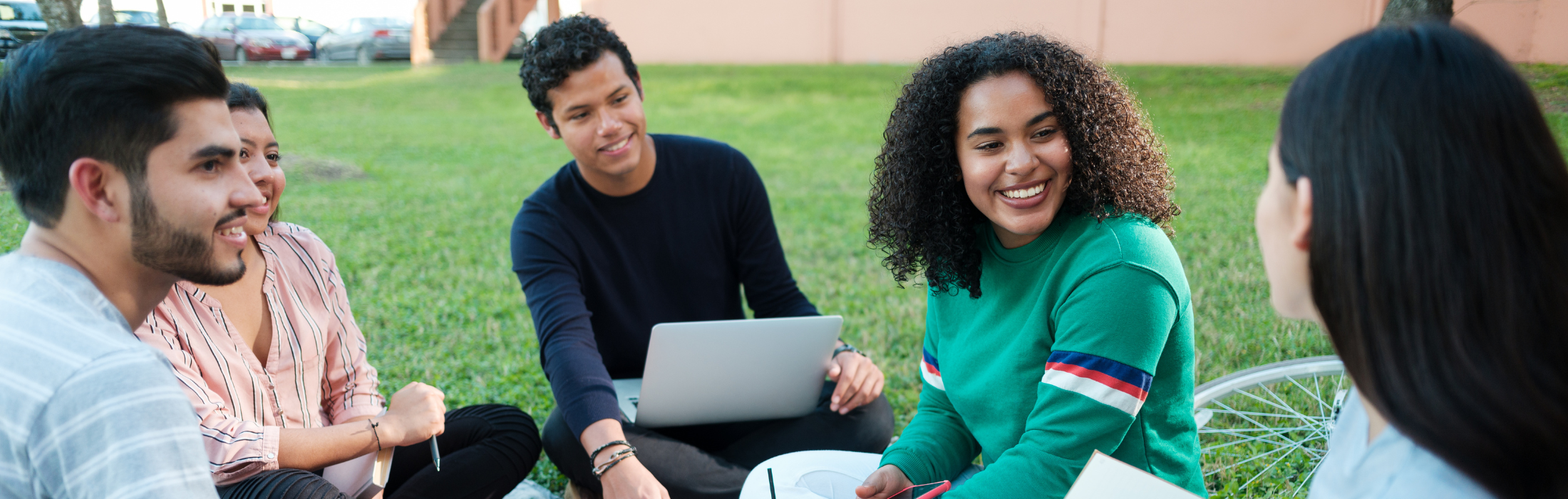

Mental health conditions do not discriminate.
Every July, we recognize National Minority Mental Health Awareness Month to bring attention to healing, connecting, and prioritizing mental health, as well as bringing awareness to the unique struggles that racial and ethnic minority communities face regarding mental illness in the United States.
Together, we can realize our shared vision of a city — and a nation — where minorities affected by mental illness can get the appropriate support and quality of care to live healthy, fulfilling lives.
DBHIDS is dedicated to educating, strengthening, and serving individuals and communities so that all Philadelphians can thrive. This month — and every month — always remember: It’s OK to not be OK. You’re not alone. We are here to help.
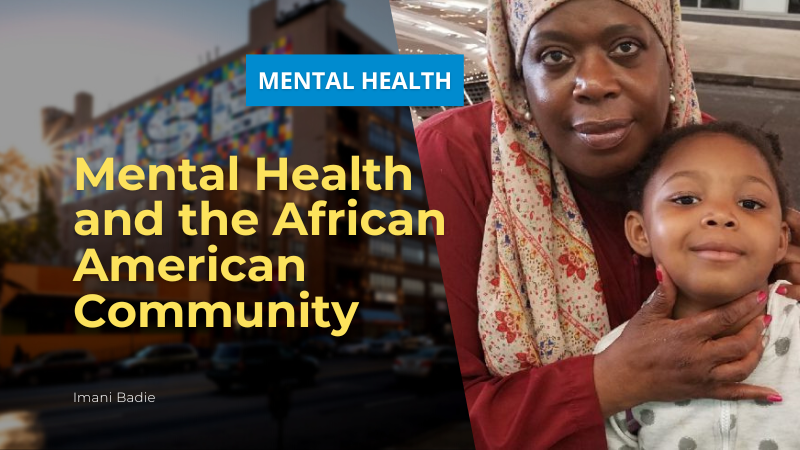
Mental Health and the African American Community
In the Black community, mental health is still viewed as taboo. The fear and shame of admitting they have mental health challenges is a barrier and cause for many to not seek help.
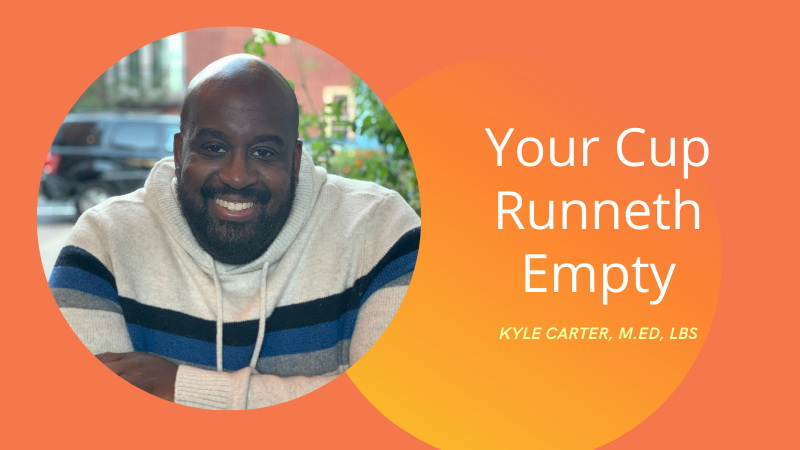
Why Mental Health is so Important to People of Color
As a licensed clinician myself, as well as someone reared by a parent with clinical depression, this is a topic very close to home.
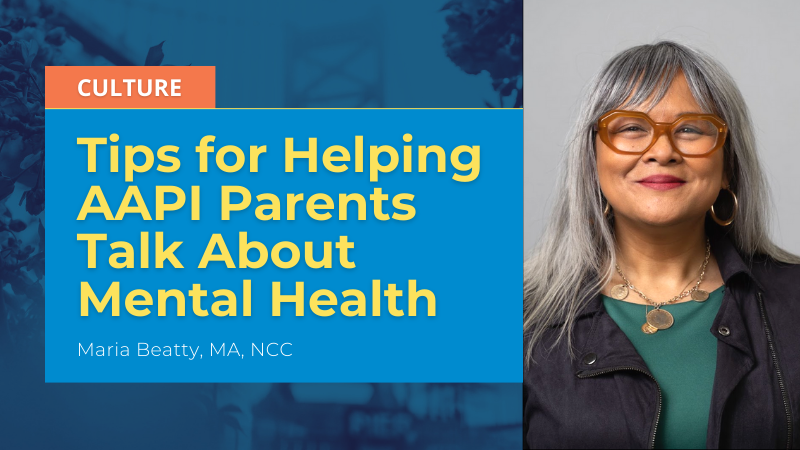
Tips for Helping AAPI Parents Talk About Mental Health
“You are too much! And you talk too much!” was what I was told as a child when I expressed my feelings. My parents emigrated from the Philippines. It was a priority to maintain appearances of mastery and stoicism, even interpersonally.

Get a check-up from the neck up.
You can take an online, no-cost private mental check-up 24/7 through this website by clicking the button below. You will find several types of screenings, including general well-being screenings and specific screenings, like for anxiety or depression.
Take care of your mental health today!