Resources
Opioid Dependency Resources
If you or someone you know is struggling with opioid use, including, but not limited to, morphine, oxycodone (like Percocet), hydrocodone (like Vicodin) and heroin, resources are available.
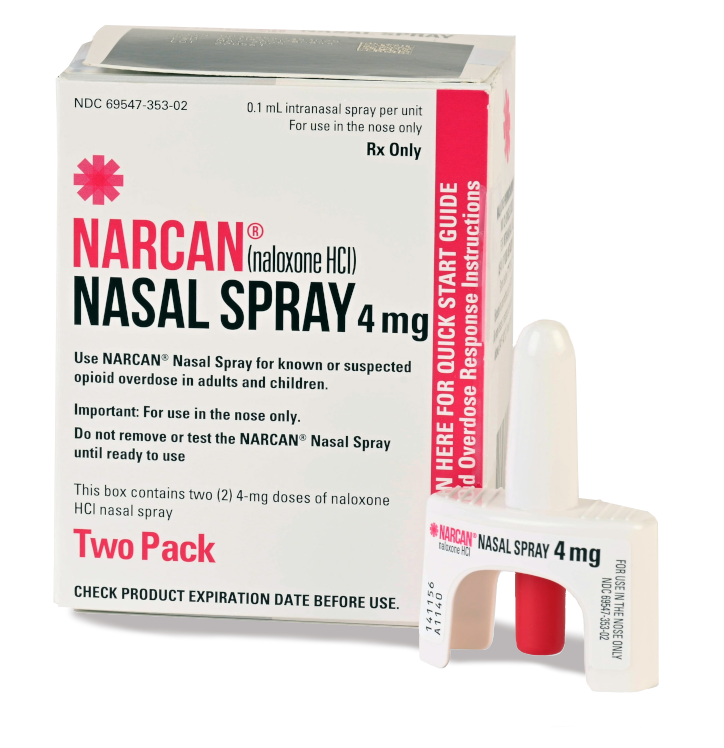
If you are concerned that you or someone you know may overdose, get trained in overdose reversal. Naloxone is a prescription medicine that reverses opioid overdoses. It temporarily blocks the effect of opioids and helps a person to start breathing again. The drug is also sold under the brand names Narcan and Evzio.

If you are unsure what service you require and do not have medical insurance, please contact the Behavioral Health Special Initiative (BHSI) at 215-546-1200, Monday through Friday, between the hours of 8:30 a.m. and 5 p.m.
If you want treatment for a substance abuse challenge and you have medical assistance or Medicaid, please contact Community Behavioral Health (CBH) at 888-545-2600.
If you have private insurance, you can find treatment services through your insurance carrier, and can find available treatment locations here: SAMHSA
For individuals in need of immediate opioid treatment support, contact the NET Access Point:
- 215-408-4987
- or visit Net Community Care

Request free overdose prevention supplies, such as opioid reversal medication (Naloxone) and drug checking test strips. Help prevent accidental overdoses and support community health by keeping these supplies on hand.
This resource offers help with opioid dependency, harm reduction efforts, case management, and a safe space for recovery.
2913 Kensington Ave, Philadelphia PA 19134
Phone: 215-634-5272
Connect with others who share similar struggles with addiction to prescription medications and other drugs. Groups are available online and over the phone.
DBHIDS is continuing its concerted efforts to increase the availability of Medication Assisted Treatment (MAT) in all forms across all levels of care. MAT are empirically supported as effective interventions to treat opioid addiction and include methadone, buprenorphine, and naltrexone XR (aka Vivitrol).

Harm reduction strategies are ways to lessen the negative effects of drug use. They include ways to avoid disease and lower the risk of overdose, such as carrying naloxone, using clean needles or spoons, and never using alone.
The Substance Abuse and Mental Health Services Administration (SAMHSA) is the agency within the U.S. Department of Health and Human Services that leads public health efforts to advance the behavioral health of the nation. SAMHSA’s mission is to reduce the impact of substance abuse and mental illness on America’s communities. You can find information about treatment options through SAMHSA’s treatment locator.

In place to advance science on the causes and consequences of drug use and addiction and to apply that knowledge to improve individual and public health. Learn the facts about commonly used drugs. Each drug page includes a brief overview, street and clinical names, the effects of the drug on the brain and body, statistics and trends, and relevant publications and articles written by NIDA researchers and scientists.

The Department of Drug and Alcohol Programs (DDAP) is focused on addressing the overdose problem in Pennsylvania, while ensuring that our prevention programs are robust, well-resourced and evidence-based, and that all Pennsylvanians struggling with the disease of drug and alcohol addiction can get the level and duration of treatment and recovery supports they need to live healthy and productive lives.
The Task Force is charged with developing a comprehensive and coordinated plan to reduce opioid abuse, dependence and overdose in Philadelphia and draft a report of findings and recommendations for action to the Mayor. Take a look for updates, resources, statistics and more.

Live Another Day believes in equal access to life-saving mental health and substance use resources. This website provides extensive information on the rehab resources.
Substance abuse prevention, education, treatment and support.

The organization believes that prevention of substance use and misuse before it starts is the most effective and cost-efficient way to reduce substance use and its associated costs.

Empowering communities with innovative care and education solutions.
Slow Suicide: When It Feels Too Hard to Care for Yourself
Sometimes suicide is not a single crisis moment. It can also look like slowly giving up on yourself over time. Maybe you recognize this in yourself or someone you care [...]

Supporting a Loved One through Problem Gambling
If someone in your life is struggling with gambling, you may be carrying worry, stress, anger, fear, or exhaustion. You don't have to navigate this alone. Support is available for [...]

Gambling Recovery Apps & Worksheets
In a city that lives and breathes sports, it’s easy to feel like gambling is just part of the local culture. But there’s a tipping point in gambling where the [...]